Are E-Bikes Taking Off?
Battery-powered electric bikes are gaining in popularity, putting a whole new spin on cycling.
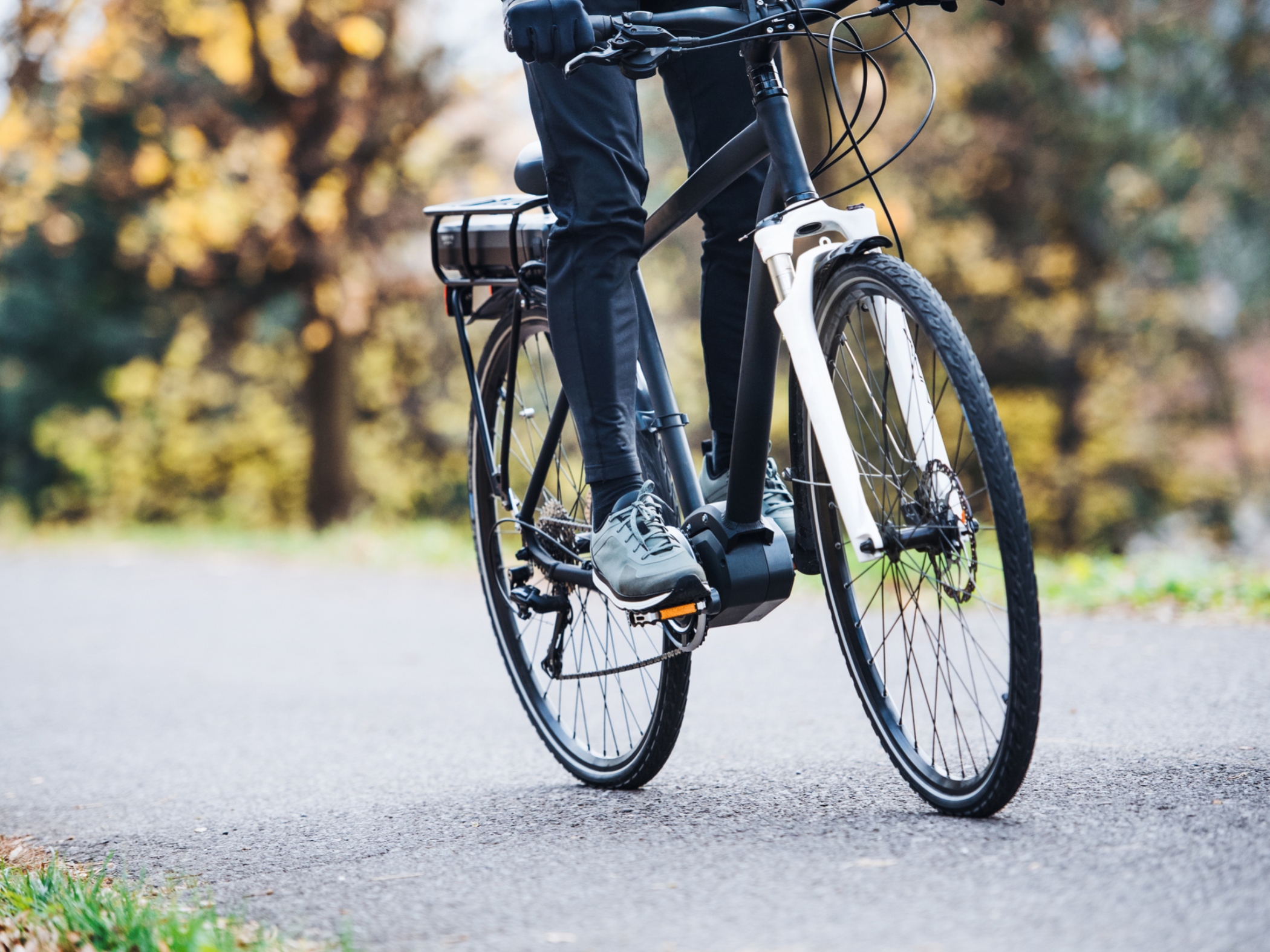
Bicycles have been around for a long time, but electric bikes (e-bikes) give this old technology a whole new spin. You can pedal away while getting an extra boost from a small motor powered by a rechargeable battery.
E-bikes are growing in popularity. In 2019, U.S. e-bike sales totaled $222 million, according to market research firm Circana. By 2023, that number had grown to $788 million. In 2023, according to Circana research, 19% of Americans who rode a bike rode an e-bike; a jump from 8% in 2021.
Despite these gains, the U.S. still trails other countries when it comes to e-bike adoption. In The Netherlands, for example, there are now more e-bikes sold than traditional bikes, according to figures from Dutch industry organizations RAI Association and BOVAG.
Powerful benefits
Why are e-bikes gaining in popularity? Because they offer a number of benefits for today's cyclers:
- Easier peddling. E-bikes have a small, battery-powered motor that gives you an assist, making topping hills or navigating difficult terrain a little easier.
- Improved fitness. Despite the peddle assist, e-bikes still provide a chance for exercise. Plus, evidence shows that e-bikers ride more. In one recent survey of 1,800 e-bike owners, 25% reported riding their standard bike daily. That number jumped to 50% following the purchase of an e-bike.
- Less car time. E-bikes offer a great alternative to automobiles for quick errands and short commutes. You'll avoid traffic, save on fuel and get a little outdoor time while still arriving at your destination without getting too tired or sweaty.
Range of options
Today's e-bikes come in a variety of sizes and styles, ranging from simple commuter bicycles to sturdy mountain bikes. Many e-bike models look similar to traditional bikes, while others have their own unique style. E-cargo bikes are available that can carry up to hundreds of pounds.
Most e-bikes can go for about 20 miles to more than 100 miles on one charge. Range depends on the size and type of battery, the weight of the bike and the load, as well as the amount of peddling power contributed by the rider. Battery voltage varies; you'll find bikes with 24, 36 and 48 volt battery packs. Higher voltage means a heavier battery, but it can increase your speed and charging range.
One downside to e-bikes is cost. A lot of models are priced about $1,500 or more, although there are many models available for less than $1,000. Some e-bike models cost up to $5,000, depending on type, features and capabilities. E-bikes are also typically heavier than conventional bikes, due to the extra weight of the battery.
Still, if you're looking for a convenient, environmentally friendly transportation alternative that can put a little charge into your fitness routine, an e-bike may just be the answer.
Once you have your e-bike purchased online or wherever they are sold, apply for a $15 rebate through Appalachian Power's Go Electric program: Apply Today!