Home Insulation Exposed
Insulation is typically hidden behind walls. Let's uncover the differences between each type and which might be right for your home.
In the winter, heat tries to leave your home. In summer, heat tries to get in. The right insulation can make your home more comfortable and lower your energy bills year-round.
Insulation's resistance to heat flow is measured in R-value. The higher the R-value, the less heat is transferred in or out.
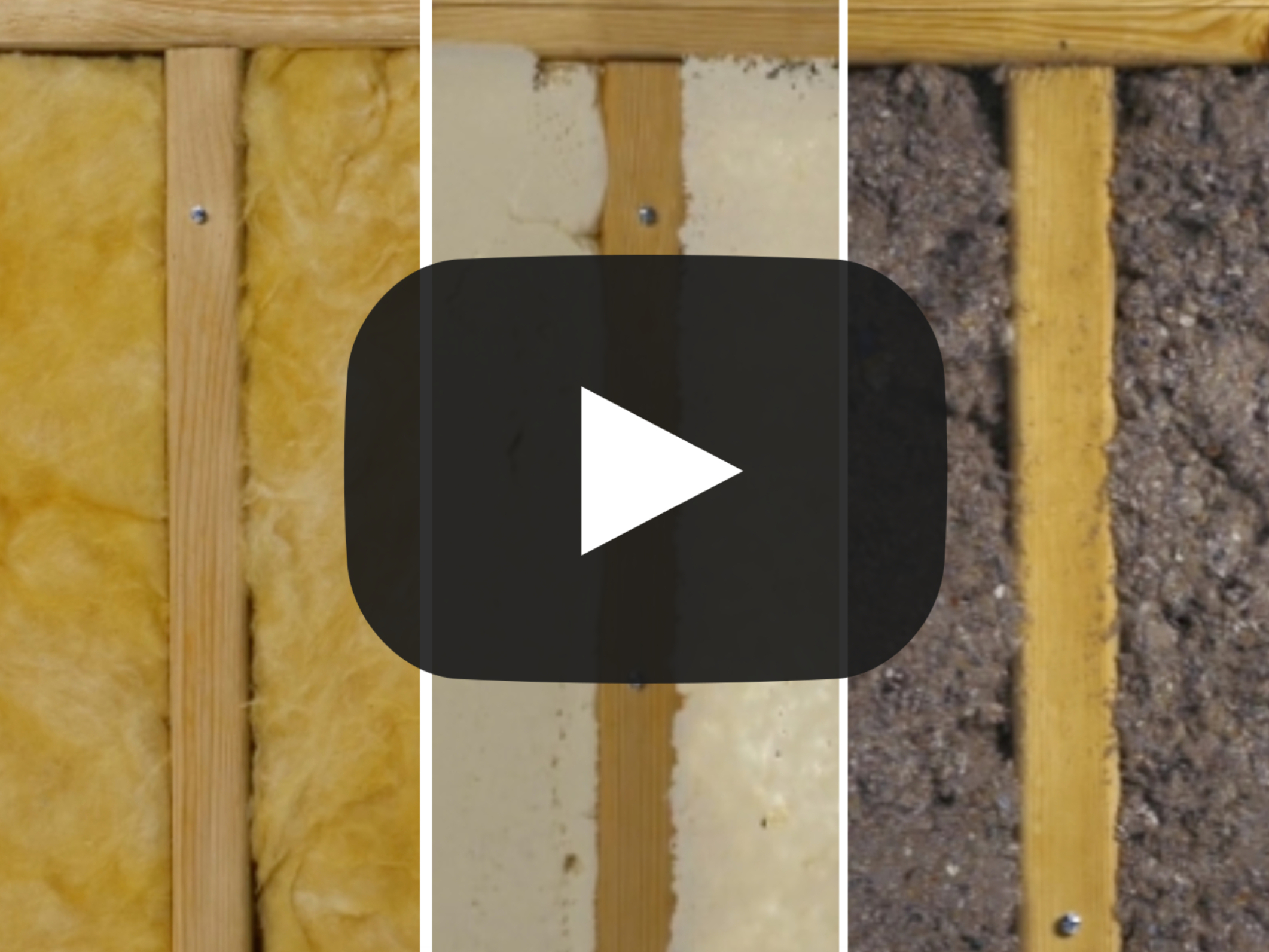
There are three primary types of insulation found in homes: fiberglass, cellulose and spray foam. So, what's the difference between the three and what are the advantages and disadvantages?
1. Fiberglass batts are the most common type of insulation due to their low cost and ease of installation. However, batts must be cut to fit snugly into cavities and around obstructions to achieve their rated performance.
2. Cellulose is made of recycled newspaper that's been treated to resist fire, mold and often pests. It's one of the cheapest insulation materials, but it requires special equipment for proper installation. Cellulose can also settle over time, leaving space for air intrusion.
3. Closed-cell spray foam has gained popularity due to its excellent resistance to heat flow and its ability to create a strong air seal. It is pricier and requires professional installation, but many feel that it's worth the extra cost.
With the right level of insulation and proper installation, all three types can increase the comfort and efficiency of your home.